• Home
  • Data Privacy
  • Whistleblowing Measures
  • Procurement
  • Contact
  • Home
  • About Us

    GLOBAL BEST PRACTICE IN POWER BUSINESS

    • Corporate Info
      • Vision & Mission
      • Corporate Value
    • Milestone
    • Our Logo
    • Shareholder Structure
    • Management Structure
      • Organization Chart
      • Board of Directors
      • The Audit Committee
      • The Nomination and Remuneration Committee
      • The Risk Management Committee
      • The Corporate Governance and Sustainability Committee
      • Executive Team
    • Subsidiary and Associated Companies
    • Awards & Recognitions
    • EIA Reports
    VISION & MISSION
    BOARD OF DIRECTORS
  • Our Business

    GLOBAL BEST PRACTICE IN POWER BUSINESS
    • Business Portfolio
    • Combine Cycle / Cogeneration / Thermal
    • Renewable Energy
    • Other Business
  • Sustainability

    GLOBAL BEST PRACTICE IN POWER BUSINESS

    • Reporting
      • SD Report
      • Sustainability Performance Data
    • GPSC Sustainability
      • GPSC Sustainability Strategy and SDGs
      • Materiality Assessment
      • Corporate Sustainability Management Structure
      • Sustainability Framework
    • Economic
      • Governance, Risk Management and Compliance
      • Supply Chain Management
      • Evolving Business Model
      • Maintaining Availability and Reliability
      • Contribution to Associations
      • Tax Disclosure
    • Environmental
      • Environmental Management
      • Clean Energy Towards Net Zero
      • Biodiversity
    • Social
      • Corporate Social Responsibility
      • Employee-Focused Organization
      • Occupational Health and Safety
      • Human Rights
      • Customer Relationship Management
    • Stakeholder Engagement
    • Policy
    STAKEHOLDER ENGAEMENT
    Stakeholder Engagement
    SD REPORT
    SD Report
  • Investor Relations

    GLOBAL BEST PRACTICE IN POWER BUSINESS

    • IR Home
    • Financial Information
      • Financial Highlights
      • Financial Statements
      • MD & A
      • Credit Rating
    • Stock Information
      • Stock Quotes
      • Historical Price
      • Investment Calculator
    • Shareholder Information
      • General Information
      • Shareholder Structure
      • Shareholders' Meeting
      • Download Rights Offering Package
      • GPSC’S Site Visit
      • Dividend Policy & Payment
      • IR Calendar
    • Debenture Information
      • Debenture Information
      • Green Debenture Information NO.1/2020
      • Green Debenture Information NO.1/2022
    • Newsroom
      • SET Announcements
      • Press Releases
      • News Clippings
    • IR Calendar
    • Presentation & Webcasts
    • Analyst Coverage
      • Analyst Contact
      • Analyst Reports
    • Publication & Download
      • 56-1 One Report / Annual Report
      • Form 56-1
      • Factsheet
      • Prospectus
      • Quick Download
    • Information Inquiry & IR contact
      • IR Contact
      • Email Alert
      • FAQ
    STOCK QUOTE
    Stakeholder Engagement
    FINANCIAL STATEMENTS
    SD Report
  • News & Media

    GLOBAL BEST PRACTICE IN POWER BUSINESS

    • News
      • PR News
      • CSR News
    • Videos
      • Corporate Video
      • Project Videos
      • News Scoop
      • Knowledge Sharing
    • Energy Knowledge
  • Corporate Governance

    GLOBAL BEST PRACTICE IN POWER BUSINESS

    • Good Coporate Governance Policy and Code of Conduct
    • Internal Audit
    • Whistleblowing Measures
    • Contact Company Secretary
    • GPSC Group Way of Conduct Manual
  • Career
  • Contact Us
  • Data Privacy
Font
A+
A
Dark mode Light mode
Quick links
whistleblowing Procurement
Language :
  • TH
  • EN
Recommended Searches
  • Energy forecast
  • Careers
  • Annual Report
  • Energy Storage System
Quick links
whistleblowing Procurement
  • A+
    Increase Font
  • A
    Regular Font
  • Dark mode Light mode
  • TH
Back

RENEWABLE ENERGY

11 Nov 2021

What is renewable energy?

Renewable energy is energy that is generated repeatedly and indefinitely, often from natural sources such as solar, wind, water, geothermal, biomass, agricultural products and waste materials.

Renewable energy is an essential energy source with minimal environmental impact. Therefore, the popularity of using fossil fuels like oil, natural gas, coal, oil shale, and oil sands, which are finite energy sources and contribute to environmental pollution through the release of methane and carbon dioxide during combustion, has decreased. This pollution has wide-ranging effects on the global climate and ecosystems. As a result, renewable energy has become one of the most crucial energy alternatives in today's world.

Working principles of renewable energy

Renewable energy can be utilized in various forms. One way is through direct use, such as harnessing the heat from the sun to preserve food or utilizing wind power to sail across the seas and generate energy for wind turbines used in grinding grain. Additionally, solar energy can be employed to warm the day and aid in starting fires at night. Another approach involves converting energy into either direct current or alternating current using different devices that possess physical properties capable of transforming kinetic energy, mechanical energy, or potential energy. Examples of such devices include solar panels, wind turbines, generators, and more.

Types of renewable energy

Water Energy

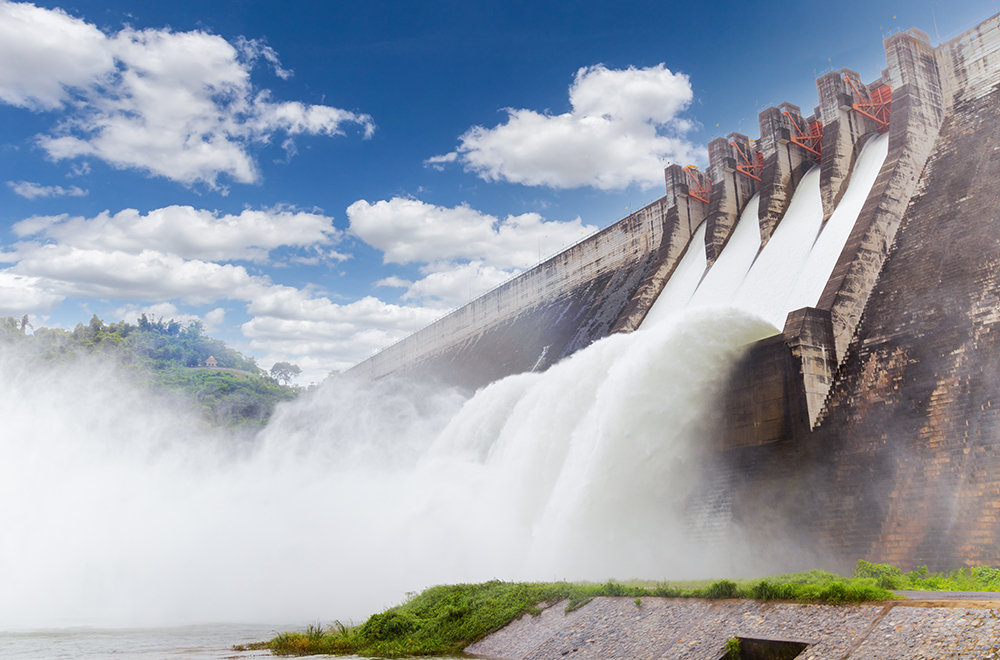
Hydropower is a stable and inexhaustible renewable energy source, particularly in electricity generation. It involves converting the potential energy stored in water from dams or reservoirs into kinetic energy through pipelines. This kinetic energy is then transformed into mechanical energy by spinning a water turbine (also known as a turbine) and a generator, ultimately producing electrical energy. The amount of energy generated depends on the water's height and flow rate. Waterfall energy, tidal energy, and wave energy are examples of well-known water sources for energy production.

Solar Energy

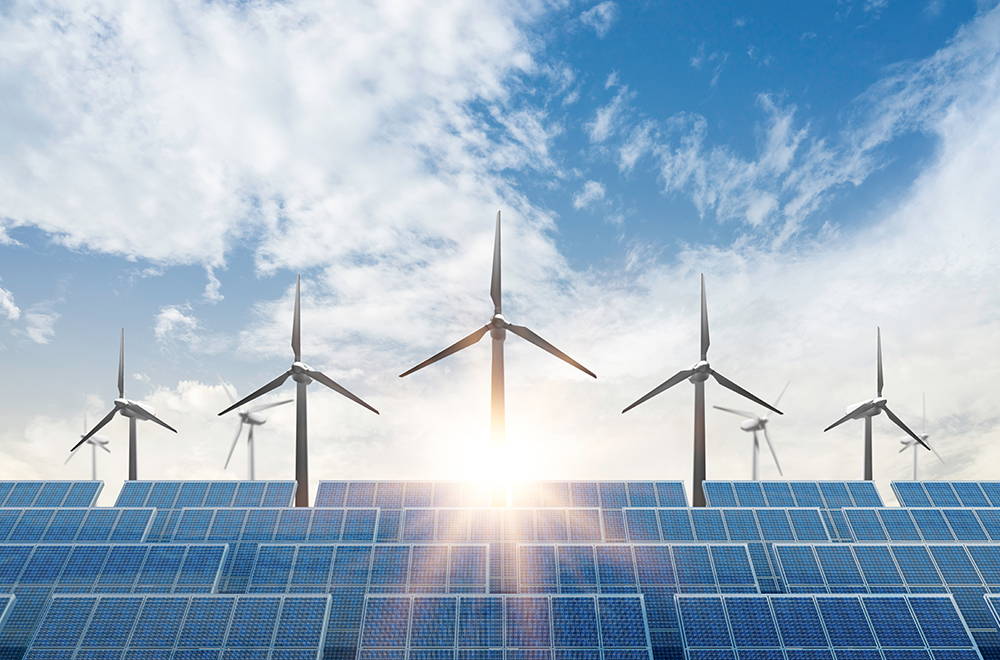
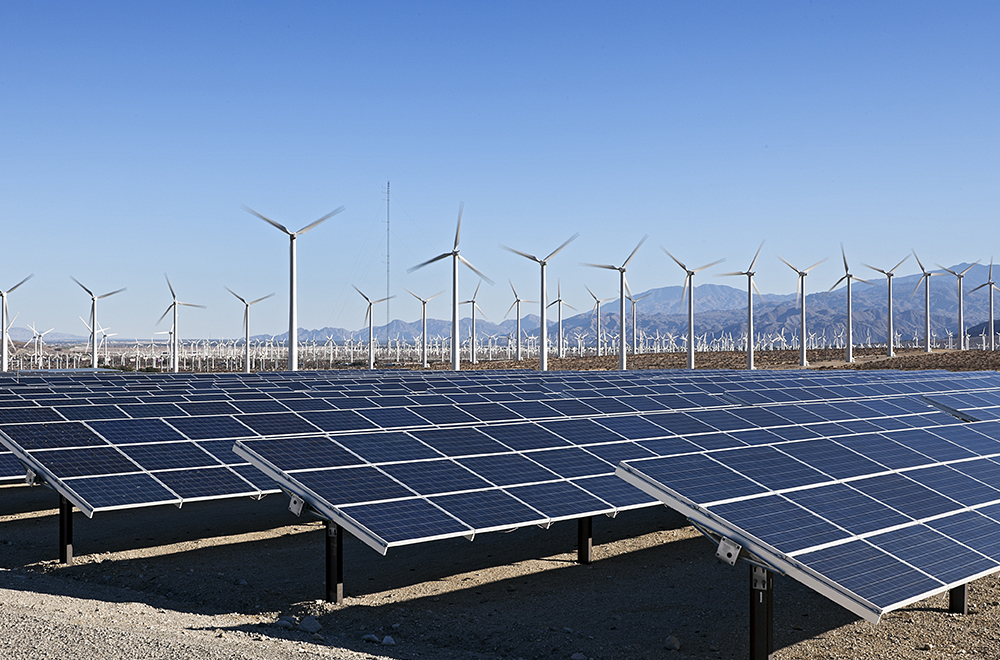
Solar energy is a plentiful and environmentally friendly renewable energy source. The energy from the sun can be harnessed to generate electricity using electronic devices called solar cells or solar panels, which are made of silicon semiconductors. These solar cells convert solar energy into direct current (DC) electricity, which can be used immediately or stored in batteries for later use. To convert the DC electricity from solar cells into alternating current (AC), an inverter is used.

Wind Energy

Wind energy is a renewable energy source generated by natural phenomena such as temperature differences and atmospheric pressure variations in different locations. Modern wind turbines are utilized to harness wind energy and generate electricity. These large-scale wind turbines are typically installed along coastlines or in high valley areas, where the wind blows against the turbine blades. Wind turbines convert the kinetic energy of the wind into mechanical energy, which can then be utilized. The amount of electricity produced by wind energy depends on factors such as wind speed, blade length, and the location of the wind turbine installation.

Geothermal Energy

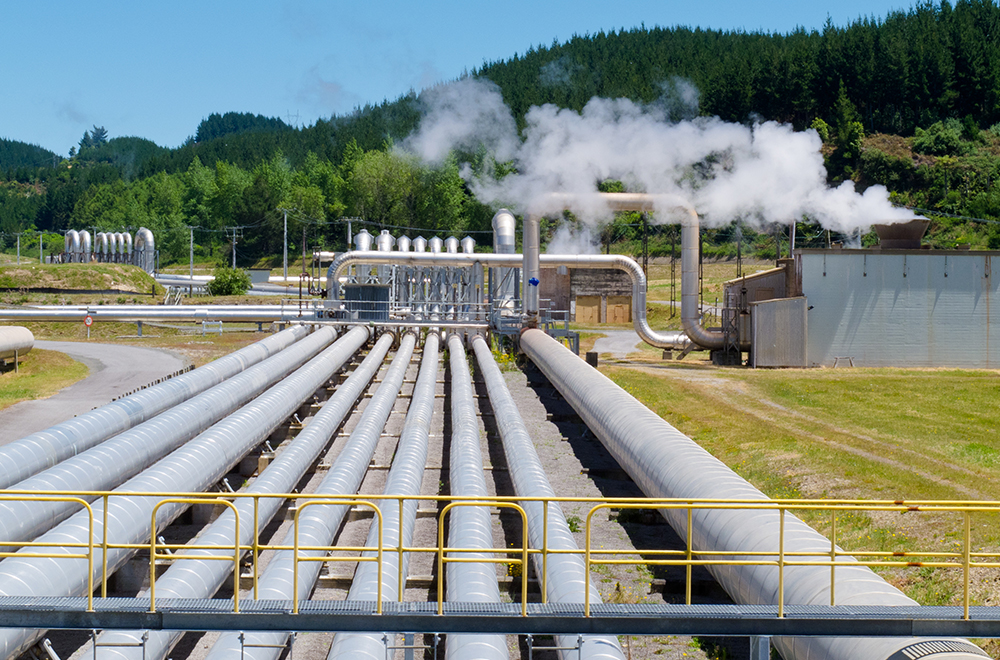
Geothermal energy is a valuable source of heat energy found beneath the Earth's surface in the form of hot water or steam. This is a result of water accumulating along cracks in rock layers, reaching temperatures as high as 5,000 degrees Celsius, until it emerges as hot springs, geysers, or boiling mud pools. To generate electricity from geothermal energy, hot water is brought to the surface and used to transfer heat to liquids or substances with low boiling points, causing them to boil into steam. This steam is then directed to spin a turbine connected to a generator, producing electricity.

Biomass Energy

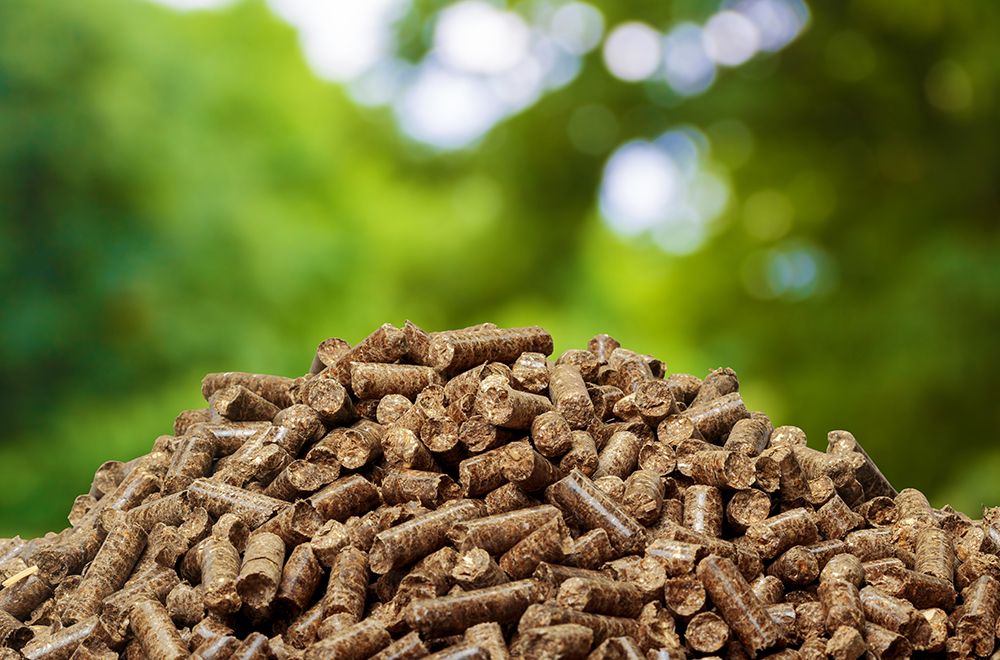
Biomass energy is a renewable energy derived from organic matter, such as agricultural waste, industrial byproducts, and energy crops like rice husks, rice straw, bagasse, wood chips, fibers, palm shells, cassava residue, corn cobs, coconut husks and shells, solid waste, wastewater, and even manure. This organic matter undergoes specific processes such as direct combustion, thermochemical conversion, fermentation, or gasification. These processes generate heat or electrical energy, and in the case of anaerobic digestion, biomass is converted into biogas, which can be used for cooking, providing light, heat, and as fuel for various vehicles.

Harnessing Renewable Energy

In the present day, renewable energy can be harnessed in various ways, including heat generation, fueling the transportation sector, and electricity production, thereby replacing finite fossil fuels. Utilizing renewable energy not only helps reduce costs but also plays a crucial role in mitigating pollution and addressing environmental challenges worldwide. As clean energy, it can be employed as an unlimited alternative to traditional energy sources. Moreover, renewable energy is readily available in nature and can be continuously reused, making it a sustainable solution.

Advantages of Utilizing Renewable Energy:

  • Continuous Availability: Renewable energy can be produced and reused continuously, providing a sustainable source of energy without depletion.
  • Environmental Friendliness: Utilizing renewable energy helps reduce the impact and pollution caused by fossil fuel extraction and processing. It also aids in curbing carbon dioxide emissions, a major contributor to global warming.
  • Econimic Benifits: Renewable energy contributes to improving a country's economic conditions. It enables the production of energy for local use and facilitates income distribution among the population. Additionally, it creates job opportunities and generates income without jeopardizing the sustainable livelihoods of communities.
  • Stimulates Economic Growth: By promoting investment in renewable energy, the economy is stimulated and expanded. This reduces reliance on foreign fuel imports, as people shift towards utilizing domestically produced energy from natural sources.
  • Prevention of Environmental Issues: The adoption of renewable energy helps prevent various environmental problems, including different forms of pollution, by reducing reliance on petroleum-based energy.
  • Improved Health and Well-being: By reducing the negative effects of energy consumption, renewable energy contributes to improved human health and longevity by minimizing the occurrence of unexpected health problems associated with traditional energy sources.

Limitations of Renewable Energy

Despite the global push towards increased production and utilization of renewable energy, certain types of renewable energy sources still face significant limitations. These limitations include:

  • Solar Energy: Solar energy production relies on the intensity of sunlight, which is neither constant nor under human control. Inclement weather can result in reduced solar energy production. Moreover, certain components, like solar energy storage batteries, have a relatively short lifespan.
  • Wind Power: Wind power generation is hindered by the variability of wind speed. This leads to low efficiency in wind power generation, as it can only be effectively harnessed in areas with consistent strong winds, such as coastal regions or elevated terrains. Additionally, wind turbines and propellers pose a threat to certain bird species.
  • Hydropower: Hydropower necessitates substantial investment in construction and is constrained by location. It can only be generated in regions with ample water sources. However, the collapse of dams can result in catastrophic events.
  • Biomass Energy: Energy derived from biomass is reliant on agricultural production and seasonal variations. For commercial fuel production, significant arable land is required. Yet, cultivating monocultures over vast areas may lead to the use of chemicals or pesticides harmful to ecosystems and the environment.
  • Geothermal Energy: Geothermal energy production is feasible solely in locations where geothermal sources exist. Additionally, it can sometimes emit unpleasant odors containing toxic and corrosive gases like hydrogen sulfide (H2S), ammonia (NH3), and radon.

Despite the current limitations and associated costs of renewable energy production, ongoing technological advancements worldwide are striving to maximize the potential of natural renewable resources as alternatives to dwindling fossil fuels. This includes researching and comprehending emerging renewable energy sources such as tidal wave energy, wave energy, and algae-based fuels.

The goal is to establish a stable and efficient energy supply to accommodate the growing global population. However, the responsible utilization of natural resources and energy sources must be approached from various angles, encompassing technical, technological, economic, and social considerations. By doing so, the energy we rely on to replace existing sources can genuinely be clean and environmentally friendly, contributing positively to our world.

Ref:

https://www.nationalgeographic.com/environment/article/renewable-energy
https://www.nrdc.org/stories/renewable-energy-clean-facts
https://youmatter.world/en/definition/definitions-renewable-energy-definition/
https://www.egat.co.th/home/renewables/

Share this News:

555/2 Energy Complex Building B, 5th Floor, Vibhavadi – Rangsit Road, Kwaeng Chatuchak, Khet Chatuchak, Bangkok 10900.

  • Email: corporate@gpscgroup.com
  • Tel: 0 2140 4600
  • Fax: 0 2140 4601
  • Home
  • About Us
  • Our Business
  • Sustainability
  • Investor Relations
  • News & Media
  • Corporate Governance
  • Career
  • Contact Us
  • Cookies Policy
  • Data Privacy
  • Webmail
  • Procurement
  • GLOW
  • HHPC
  • GETZ
  • NUOVO PLUS

Copyright © 2021, Global Power Synergy Public Company Limited All rights reserved.

  • Sitemap
Follow Us